

Long-term, community-led conservation on Mozambique’s Indian Ocean coast.
If you like breathing, you need to Love The Oceans.
The ocean produces over half the world’s oxygen, regulates our climate, and feeds billions, but it’s under threat. Climate change, biodiversity collapse, and overexploitation are unravelling the marine ecosystems we all rely on, with devastating knock-on effects for humanity. Your life is more connected to the ocean than you think.
Love The Oceans is tackling the triple threat of climate change, biodiversity loss, and pollution through community-led, evidence-based marine conservation.
Our vision is to empower coastal communities globally and inspire collaborative action to restore and protect our oceans, ensuring healthy marine ecosystems for generations to come.
Why Mozambique? Mozambique is on the frontlines of ocean degradation, facing global pressures like climate change and biodiversity loss, compounded by local challenges like unsustainable fishing and poverty. But that makes it the perfect place to pioneer solutions. The issues we’re tackling here mirror those faced around the world, and the tools we’re developing, from community engagement to scalable science, are designed to work globally. This is ocean conservation for everyone, starting at the grassroots.
Our mission is to create a scalable holistic conservation strategy that can be replicated along the coastline of Mozambique and beyond.
A holistic approach
Four pillars, one strategy.

Scientific Exploration
Through rigorous scientific research, we gather crucial data to inform decision-making processes and support the establishment and management of the MPA. This evidence-based approach is fundamental to understanding our marine ecosystem and ensuring its long-term health and resilience.

Community-led Empowerment
Our community empowerment initiatives aim to equip local residents with the skills and knowledge necessary to actively participate in MPA management and conservation efforts. From gender equity programs to ocean literacy initiatives, we engage community members in decision-making processes, fostering ownership and sustainability.

Environmental Stewardship and Ecological Resilience
We integrate local knowledge with science to inform effective conservation action. Through our projects we reduce pressure on marine resources while strengthening community resilience to environmental change. This empowers our community as long-term environmental stewards, supporting ecological sustainability and secure, resilient livelihoods.

Scalability and Impact
We are committed to transparency and open knowledge sharing, recognising that lasting conservation impact depends on collective learning. Our projects are designed to be shared, adapted and strengthened by others facing similar challenges. We launched the Ripple Network to formalise this ethos by connecting grassroots NGOs globally to knowledge exchange, collaborate, and amplify impact.
Why it matters
70% unemployment, 98% non-swimmers, and one of the world’s richest reef systems.
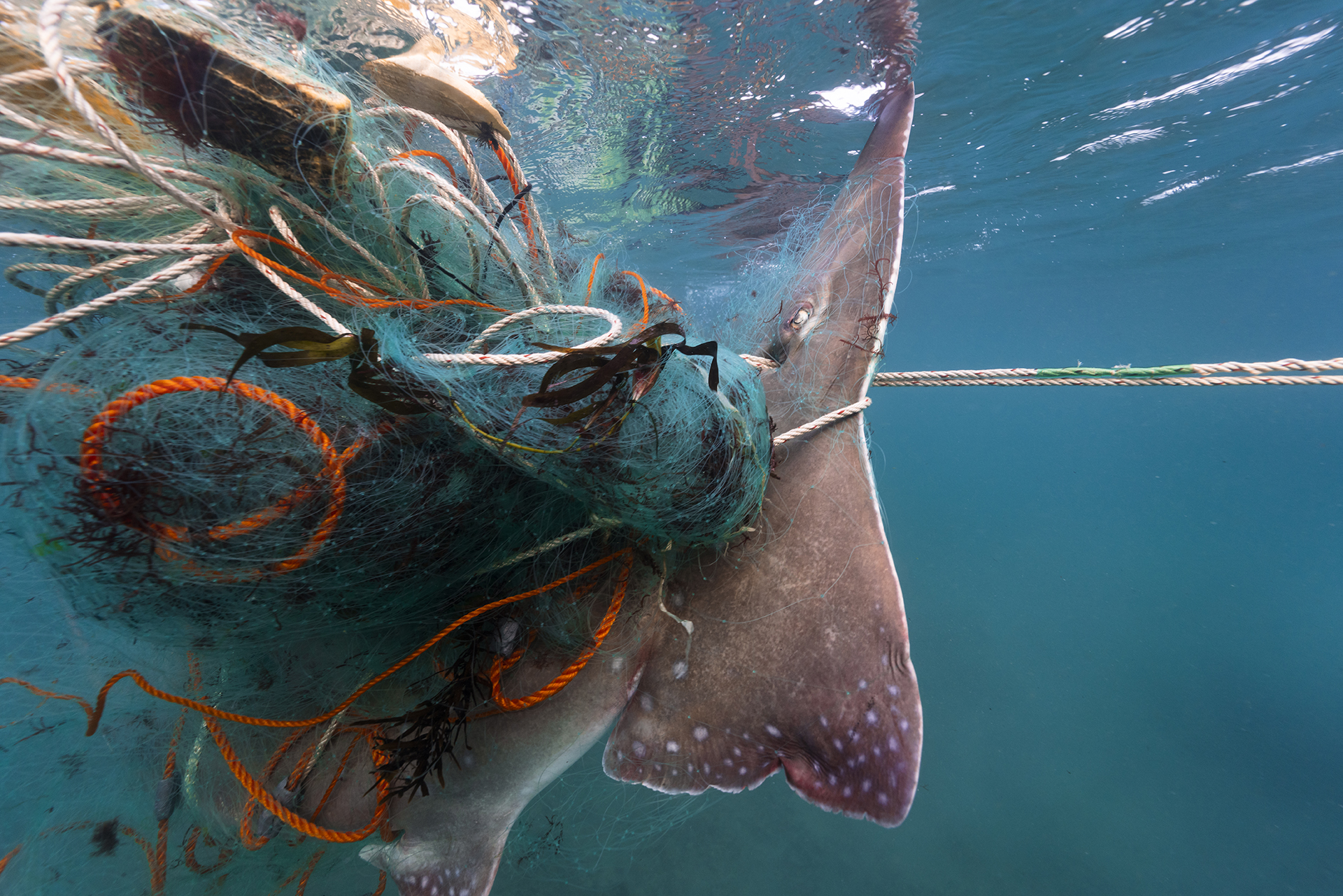
Where Love The Oceans operates is recognised as a Mission Blue Hope Spot, an Important Marine Mammal Area, an Important Shark and Ray Area by the IUCN and hosts nearly 10% of the world’s humpback whales. But it sits on the edge of the third largest ocean garbage patch in the world, has a population with an illiteracy rate of over 50%, with over 98% of the community as non-swimmers, and faces on-going large-scale oil, gas, fishing and mining threats. Tackling any one of those in isolation won’t work. The mission has to be both ocean and community – which is why we research, and we empower communities in equal measure.

The founding
It started with a shark on a beach.
Francesca Trotman was on a photography trip in 2013 when she saw her first shark killing. She was driven by this experience to collect her Master’s thesis data on these fisheries, and as she wrote up her Masters, she founded Love The Oceans at age 21, to tackle unsustainable ocean exploitation.
Ten years on, Love The Oceans employs a majority-local team, having qualified the first Mozambican scuba divers in the district, taught over 5000 children to swim and implemented numerous successful educational initiatives. The research that started it is still running, and since been expanded: fisheries, coral reef monitoring, whale bioacoustics and visual surveys, apex predator research, ocean trash and social research.
~122 km2
Coastline in the Hope Spot
Mission Blue Hope Spot
Jangamo Bay, recognised globally.
Jangamo Bay is designated a Hope Spot – a stretch of ocean with outstanding ecological value. It connects existing protected areas from Bazaruto Archipelago in the north to Ponta do Ouro in the south, and it’s the evidence base for our push toward full marine protection.
Our commitment
Aligned with the UN Sustainable Development Goals.
Our research, and community outreach projects in Jangamo Bay contribute directly to eight of the UN’s 17 Sustainable Development Goals.





Logos are the property of the United Nations. Read more about the SDGs →

Get involved
See the impact in action.
Join an expedition in Mozambique, or have a look at the measurable impact ten years of this work has built.