

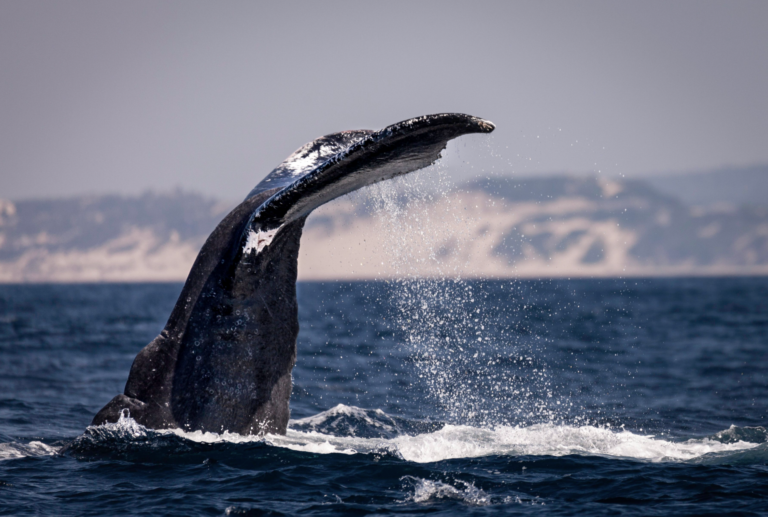
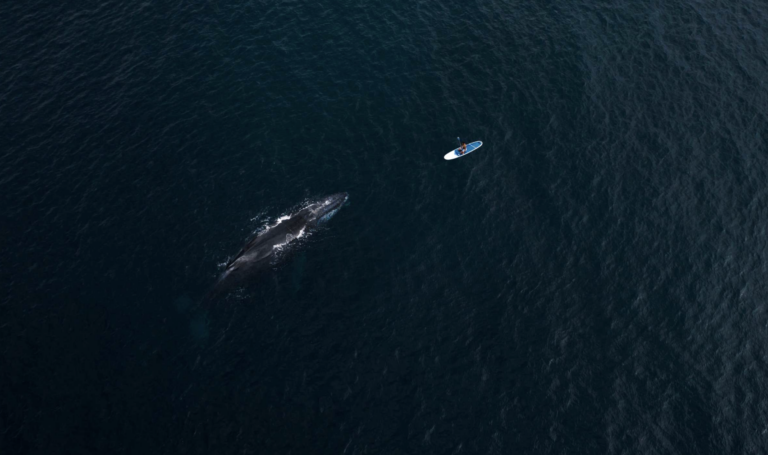
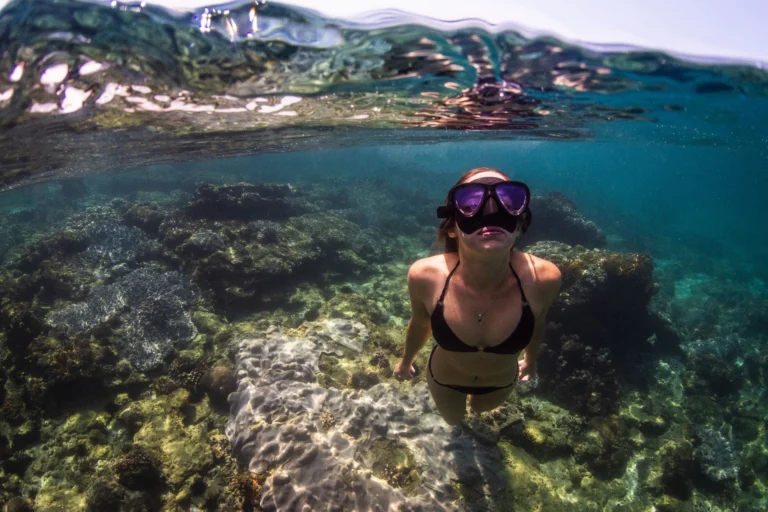
Work alongside the team in Mozambique.

Research expeditions, citizen science and thesis fieldwork on the Indian Ocean coast — from 10 days to a full field season.

Why join us

Real marine science

You’ll collect data on coral reefs, whales, whale sharks and fisheries that feeds into long-running Mozambique research — not busywork. Training in week one, real fieldwork for the rest.

Community-led conservation

Afternoons are spent teaching ocean literacy in Jangamo schools and running swimming lessons. Every expedition directly funds local salaries, school projects and our Marine Protected Area work.

Open to beginners

No science degree. No diving cert needed for most expeditions. Small cohorts (often eight or fewer), proper onboarding and a team that genuinely likes answering questions.

Our ethical standards

Volunteering that does good, not harm

Before you volunteer anywhere, check how the organisation works. Here’s how we make sure your time in Jangamo Bay is used ethically and counts towards something lasting.

One long-term goal

Everything you do feeds our goal of a community-led Marine Protected Area in Inhambane Province.

Read more

Whichever expedition you join, you contribute to ongoing projects, not one-off activities. If you’re ever unsure why you’re doing something, ask the team and they’ll show you how it links to the bigger goal.

Continuity for local children

Six months of continuous teaching and free swimming lessons every year, so children aren’t taught in stop-start bursts.

Read more

Classes at Guinjata and Paindane schools follow a syllabus the schools approve, led by our Community Outreach Manager, Pascoal. Only participants studying a related subject at university level teach; everyone else helps with the murals.

Consistent, comparable science

Over six months of field work a year across four research areas and three sites, using recognised methods.

Read more

Fisheries, coral reef surveys, megafauna and ocean trash, scheduled for continuous data across the season. Reef surveys use the internationally recognised Reef Life Survey method, so our data compares with similar sites worldwide.

Hands off wildlife

No captive animals, and no harm or interference with wild ones. We observe and record.

Read more

We follow CITES protections for listed species and our own wildlife code of conduct, and we’re a Partner of the World Cetacean Alliance. When protected species are landed by local fisheries, we record it; the data is how we make the case for change with the community.

Local jobs stay local

We employ, source and buy locally, and volunteers never do work that would take a paid local job.

Read more

Local builders maintain and build school buildings; volunteers paint educational murals the community has asked for. The aim is less dependency over time: Pascoal’s STA swimming-teacher qualification means lessons run all year, with or without us.

Respect for the community

Every expedition starts with an introduction to the communities you’ll be working in.

Read more

In training week you’ll visit Pascoal and his family to understand the local context and the children you’ll work with. Staff and volunteers follow a code of conduct in and outside expedition hours, because you represent Love The Oceans throughout your stay.

  • World Cetacean Alliance Partner
  • CITES compliant
  • Reef Life Survey method
Read our full ethical standards →

Alumni voices

“Volunteering with LTO will give you practical, hands-on experience which most employers in marine conservation require.”
Charlotte Johns Volunteered twice
Read more

Having been a volunteer for Love The Oceans twice, I think it is safe to say it has been two of the best decisions of my life. Needless to say, diving and snorkelling with humpback whales is an experience I will never forget. LTO is run by extremely passionate and knowledgeable staff, who will make you feel very welcome in the area. Their work with the local community is inspirational.

“Being part of an organization that is actually making a tangible change was hugely rewarding.”
Tom Scott Volunteer
Read more

The work itself is interesting, engaging and very hands on; being able to work alongside professional marine scientists was a real pull factor for me. The interaction with the community is what sets LTO apart from other similar organisations. I can’t recommend this organisation enough, for anyone who is looking for a real adventure, a fantastic environment and a few whale sharks along the way!

“Collecting raw data that will be used to change and implement policies was rewarding and gives me hope for the future.”
Saskia Mori Volunteer
Read more

My time with Love The Oceans was the best experience of my life so far. I learned a lot in a short space of time, gaining skills and experience in a variety of areas, from humpback whales to coral reefs. Everyone I met was warm, friendly and welcoming, which was wonderful to feel when you are far away from home.

“From coral reef surveying to teaching kids to swim, every activity opened up whole new areas of skills and experience.”
Lily Holbrook Marine zoology student, Newcastle
Read more

Volunteering with LTO was honestly one of the most rewarding and special experiences of my life. What I loved most was being so far removed from my day to day life and just living simply. LTO are making such a difference in their corner of the world.

“LTO gave me the opportunity to form friendships with people from all around the world that share the same passion for the oceans that I do.”
Rob Thomas Came back for a second trip
Read more

The programme gives you opportunities to gain a wealth of skills and experience in a wide range of fields associated with conservation biology that I have used innumerable times since. The first time I volunteered with LTO in 2015 I had such a great time that it was inevitable that I would return.

Expedition booklets

Get the full details

Itinerary, what’s included and prices for each expedition, sent to your inbox.

Ready when you are

Not sure which expedition is right for you?

Tell us a bit about you and we’ll match you with the right expedition. We reply within three working days, even in peak season.