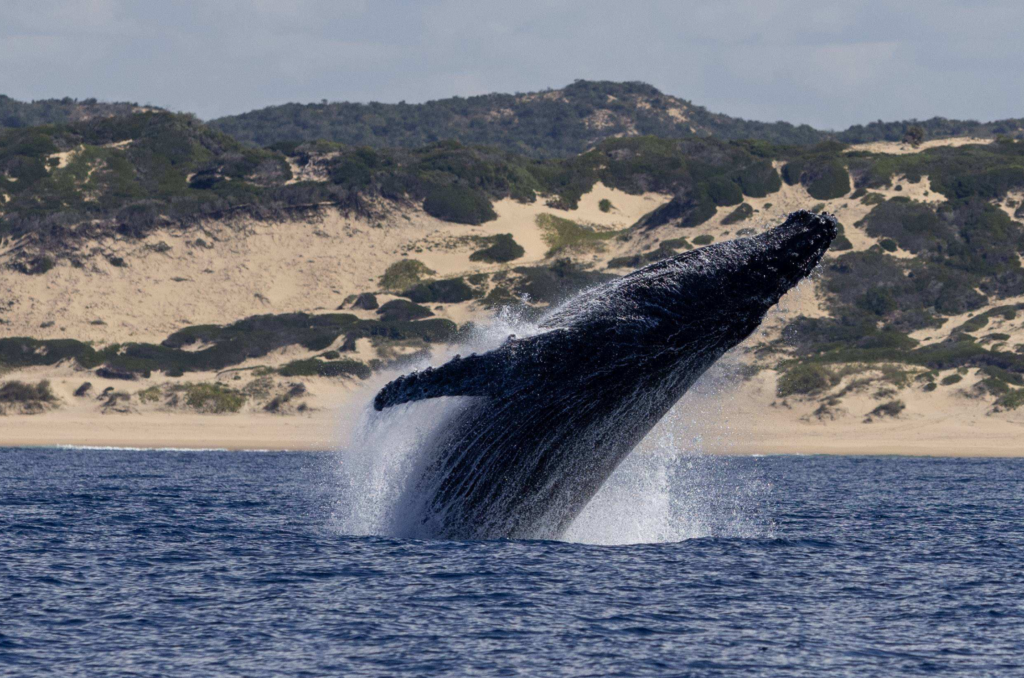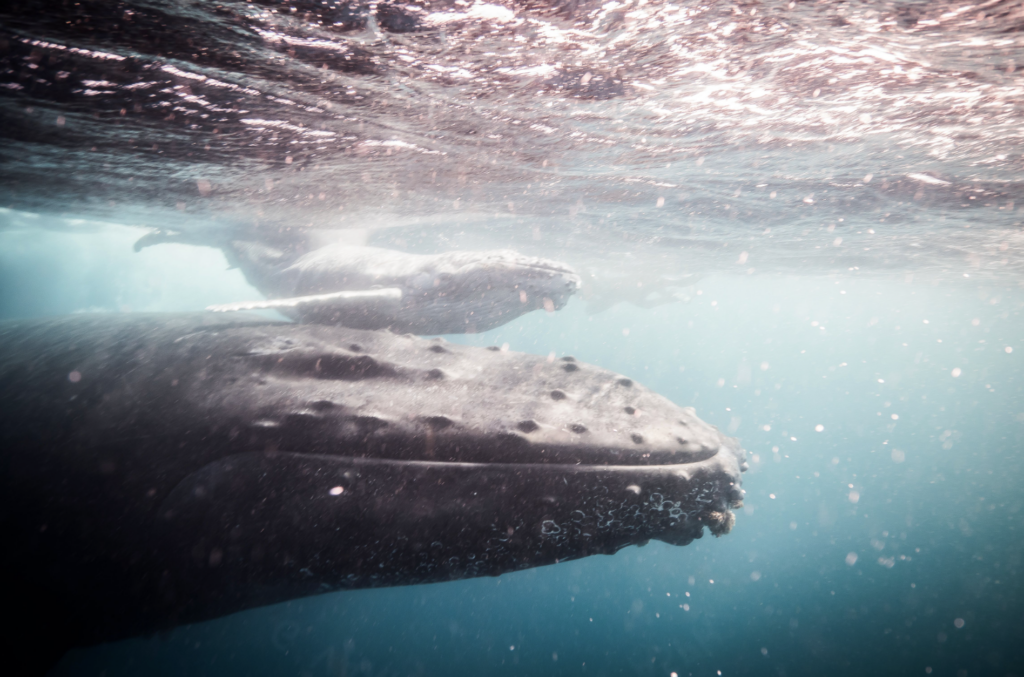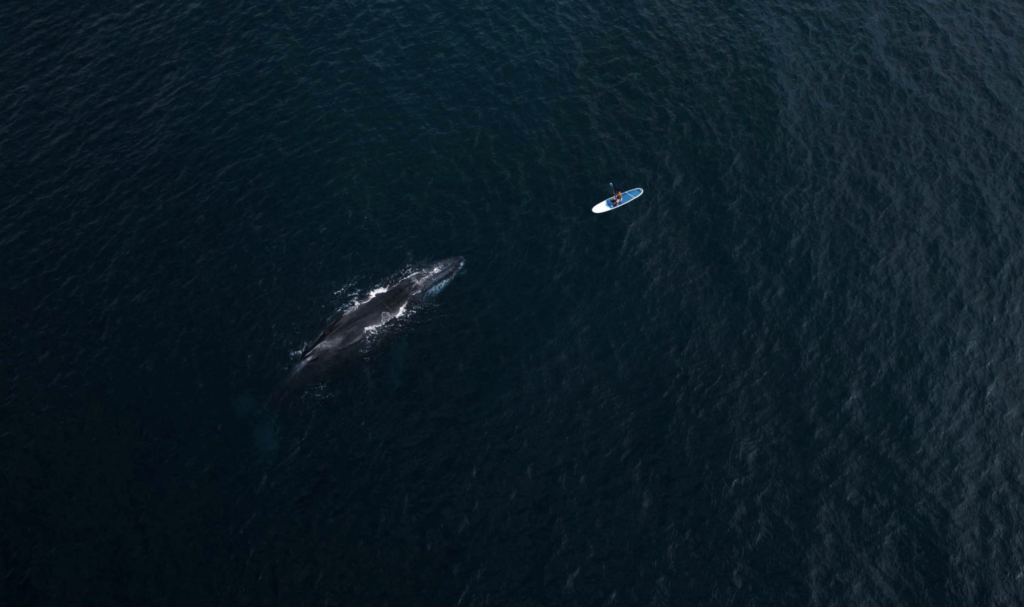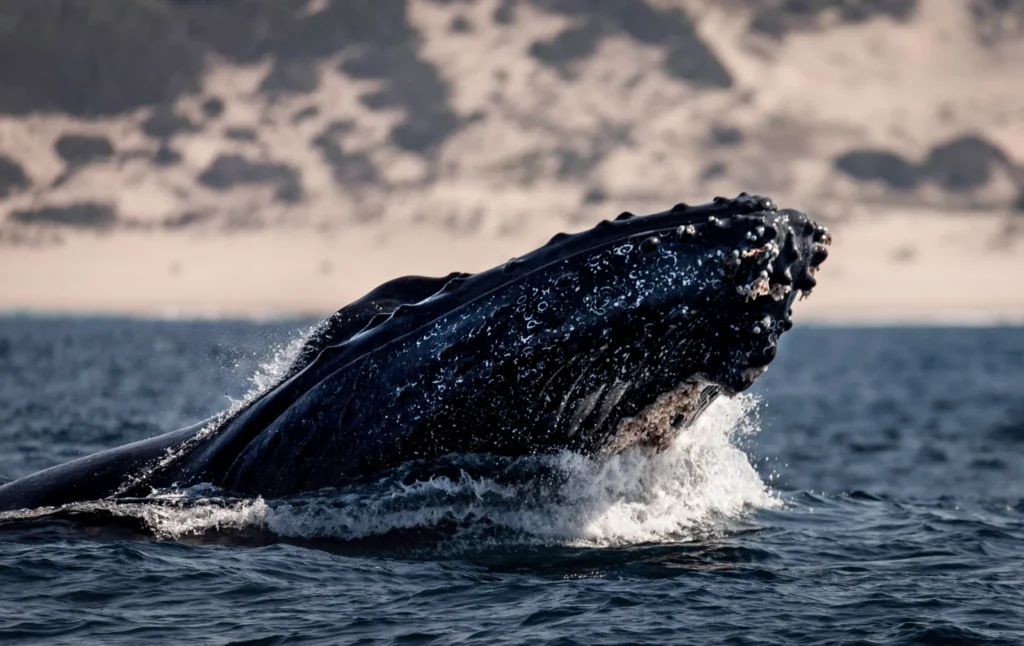
Every winter, from June to November, humpback whales migrate through the waters off Jangamo Bay. Since a pilot study in 2017, Love The Oceans has been there to record them.
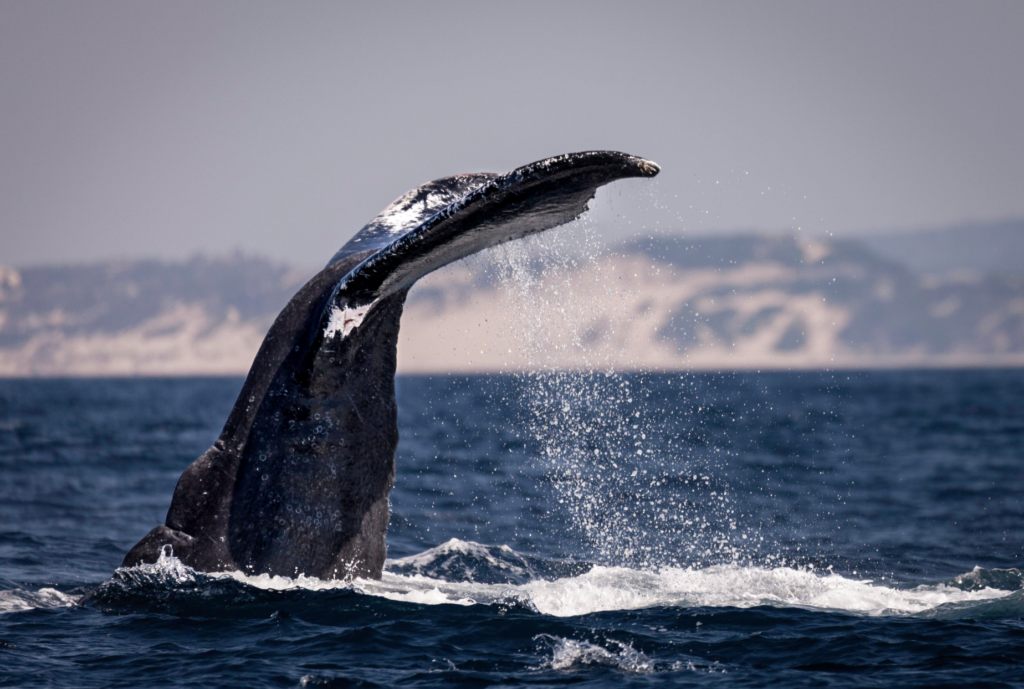
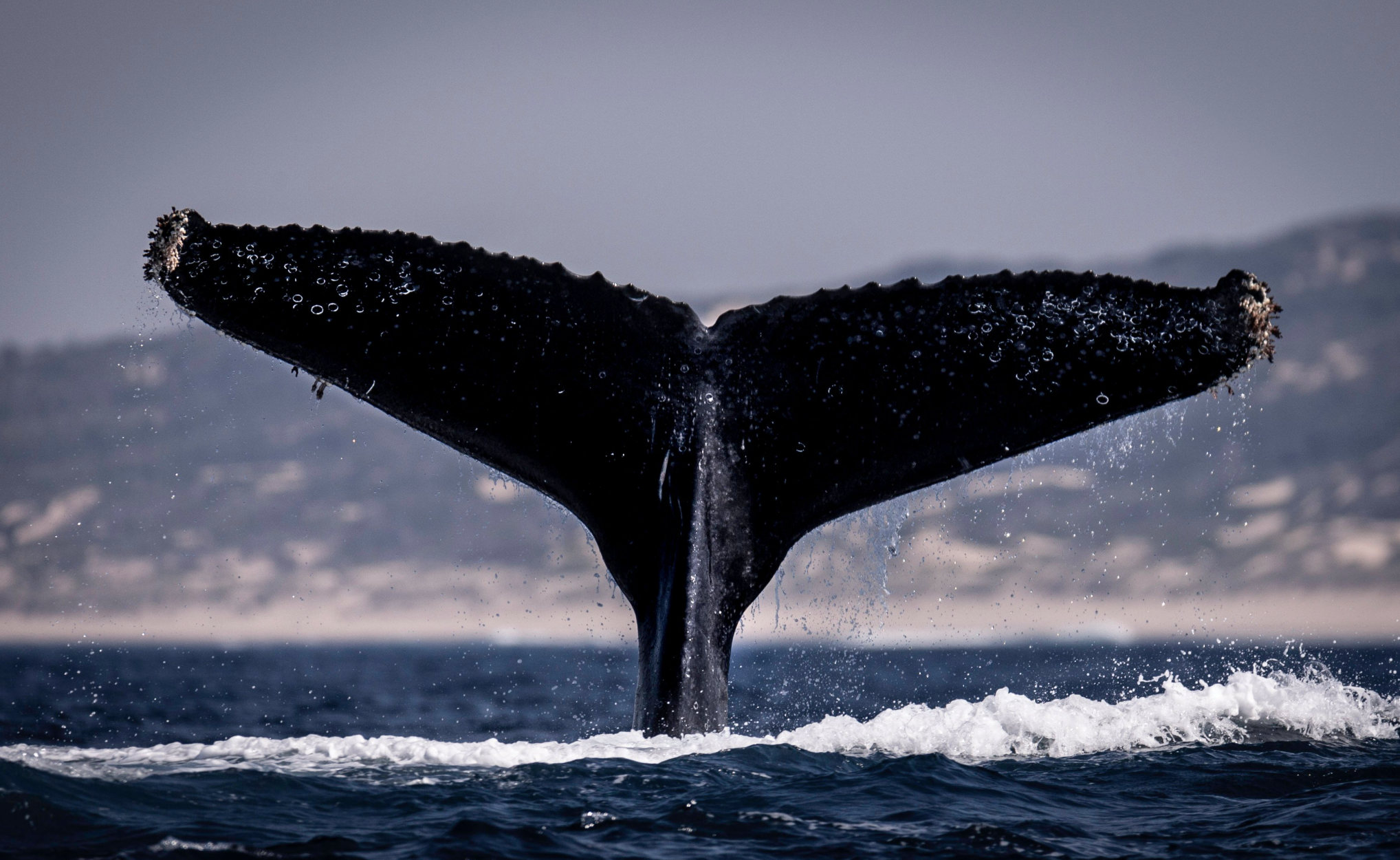
The team documents humpback whale sightings, IDs, surface behaviour, environmental conditions and vocalisations (bioacoustics), from land, boat and air. Photographs of whale flukes feed a long-term ID catalogue of the individual whales passing through Jangamo. Vocalisation studies can be used to identify groups and subpopulations, song evolution over time, and migration routes around southern Africa. By linking surface behaviour and environmental conditions we hope to understand what drives different types of surface behaviour and the purpose of each type of behaviour.
A reason to protect them
Jangamo is a designated Important Marine Mammal Area under the International Union for the Conservation of Nature. Humpback whales are a flagship marine species and collecting ID data to understand population numbers, and sightings data, it will help us promote responsible ecotourism around this species as a viable sustainable alternative source of income to practises like unsustainable fishing and habitat exploitation and strengthening the case for a Marine Protected Area.